
Last year, I calculated that my family of three was spending nearly $350 annually just on bathroom products – toiletries, cleaning supplies, disposable items, and random “convenience” products that promised to make our lives easier. When I looked at our overflowing bathroom trash can, filled with empty shampoo bottles, used cotton pads, and countless plastic containers, I realized we had a problem that was hitting both my wallet and my environmental conscience.
The transformation to a zero-waste bathroom started as a month-long experiment to see how much money we could save. Twelve months later, our bathroom waste has dropped by 95%, our annual spending has decreased by over $200, and honestly, our daily routines have become simpler and more enjoyable. The best part? Nothing about this journey required major sacrifices or complicated lifestyle changes.
If you’re curious about reducing bathroom waste while keeping more money in your pocket, here’s exactly what worked for our family, what didn’t live up to the hype, and how you can start seeing both environmental and financial benefits within your first month.
The Shocking Reality Check That Started Everything
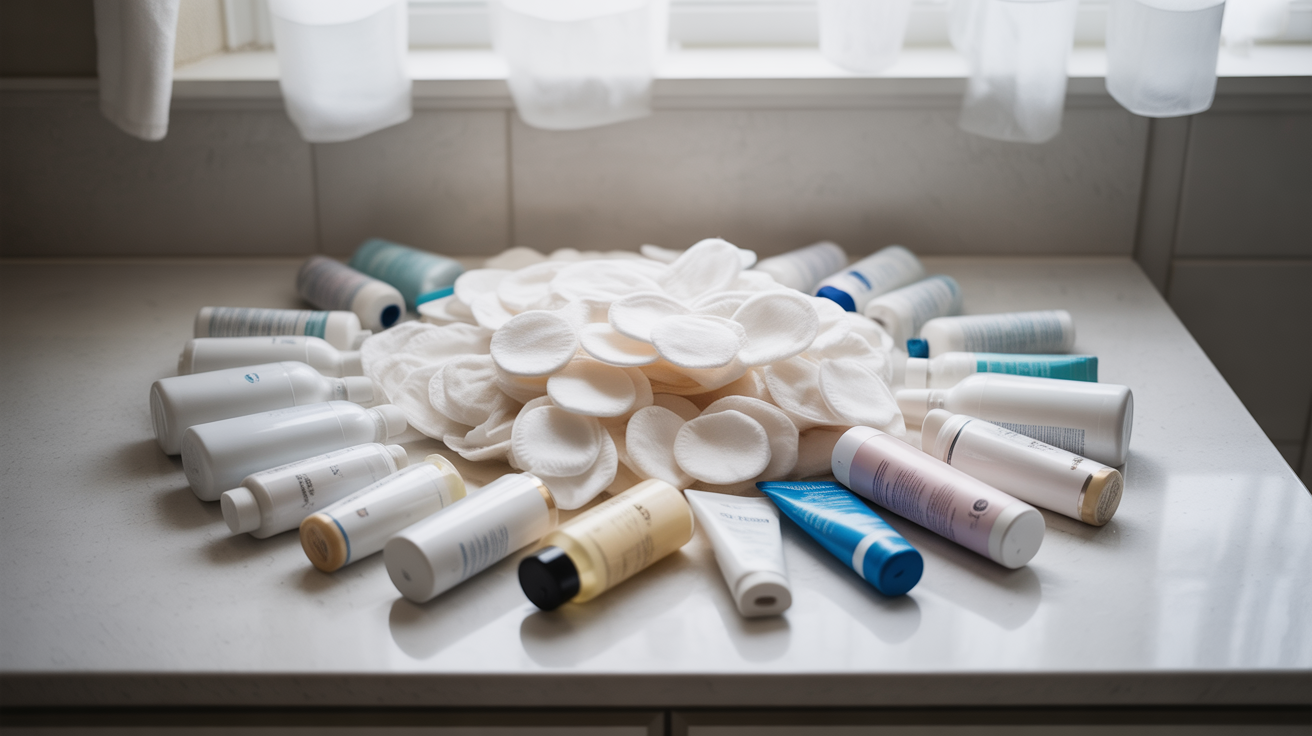
Before making any changes, I spent two weeks conducting what I called my “bathroom waste audit.” Every empty container, disposable item, and piece of packaging that came through our bathroom got photographed and logged. The results were honestly embarrassing, but they provided the motivation I needed to commit to real change.
Our monthly bathroom trash included 12 empty plastic bottles (shampoo, conditioner, body wash, lotion), approximately 200 cotton balls and pads, 3 empty tubes (toothpaste, face cleanser, hair gel), numerous small plastic containers from sample sizes and travel products, and an ungodly amount of packaging from constantly replacing items.
The financial audit was equally eye-opening. Between regular toiletries, specialty products, cleaning supplies, and the convenience items we grabbed during grocery runs, we were averaging $28 per month on bathroom-related purchases. Factor in the hidden costs – storage solutions for all these products, frequent drugstore runs burning gas, and replacing items we’d bought in bulk but lost track of – and the real monthly cost was closer to $35.
Looking at successful zero-waste bathroom examples online, I realized most families were saving 60-80% on bathroom expenses while dramatically reducing waste. The math was compelling, but I needed to find an approach that worked with our busy schedules and didn’t require us to become DIY chemistry experts overnight.
The key insight that changed everything was recognizing that most bathroom waste comes from packaging and overconsumption, not necessity. We didn’t need 12 different hair products or 6 types of body wash. We needed effective, multipurpose solutions that came with minimal packaging and lasted longer than their disposable alternatives.
DIY Products That Actually Work (And Save Serious Money)
The biggest misconception about zero-waste bathrooms is that you have to make everything from scratch using complicated recipes and expensive specialty ingredients. After testing dozens of DIY approaches, I’ve found that the most effective solutions are surprisingly simple and use ingredients you probably already have.
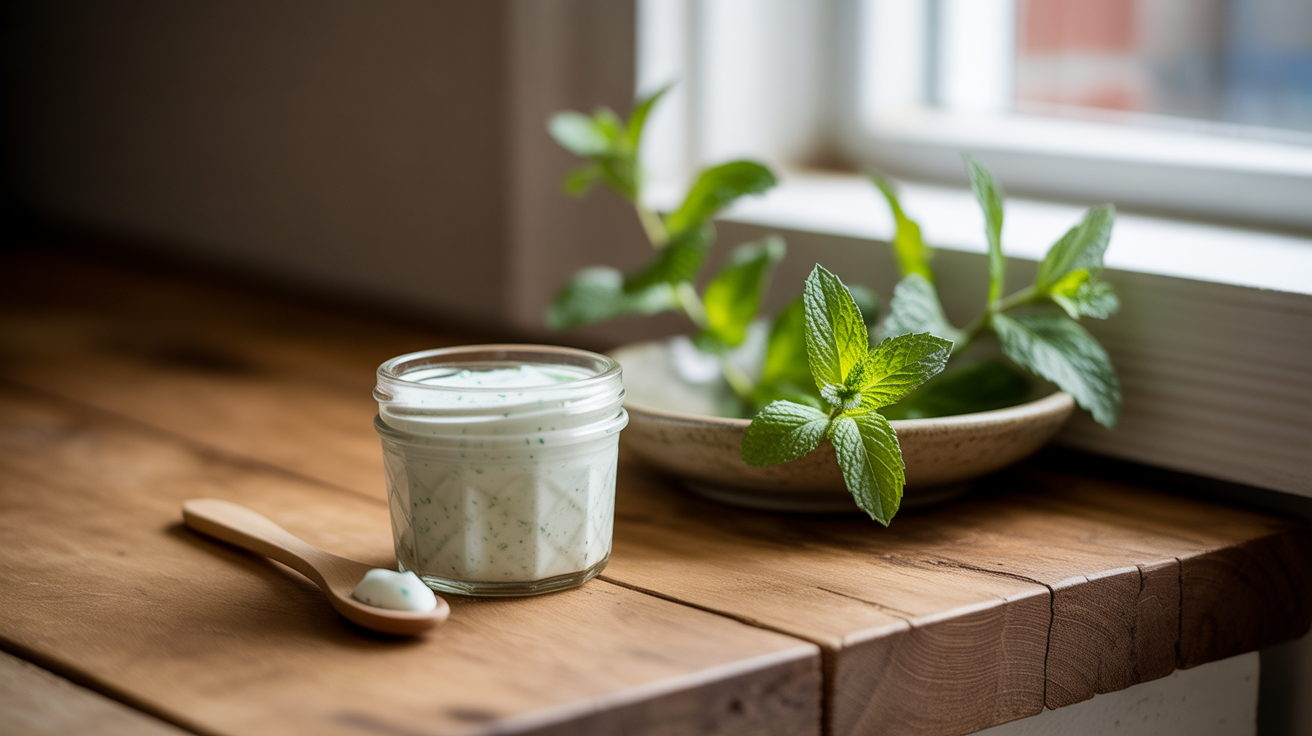
Toothpaste was my first success story. A simple mixture of baking soda, coconut oil, and peppermint essential oil creates a paste that cleans better than commercial alternatives and costs about $0.15 per month versus the $4-6 we were spending on tubes. I store it in a small glass jar and it lasts for months.
All-purpose bathroom cleaner became another major win. White vinegar, water, and a few drops of tea tree oil in a spray bottle replaces every specialized bathroom cleaner we used to buy. The total cost is under $3 for a supply that lasts six months, compared to $15-20 monthly on various commercial cleaners.
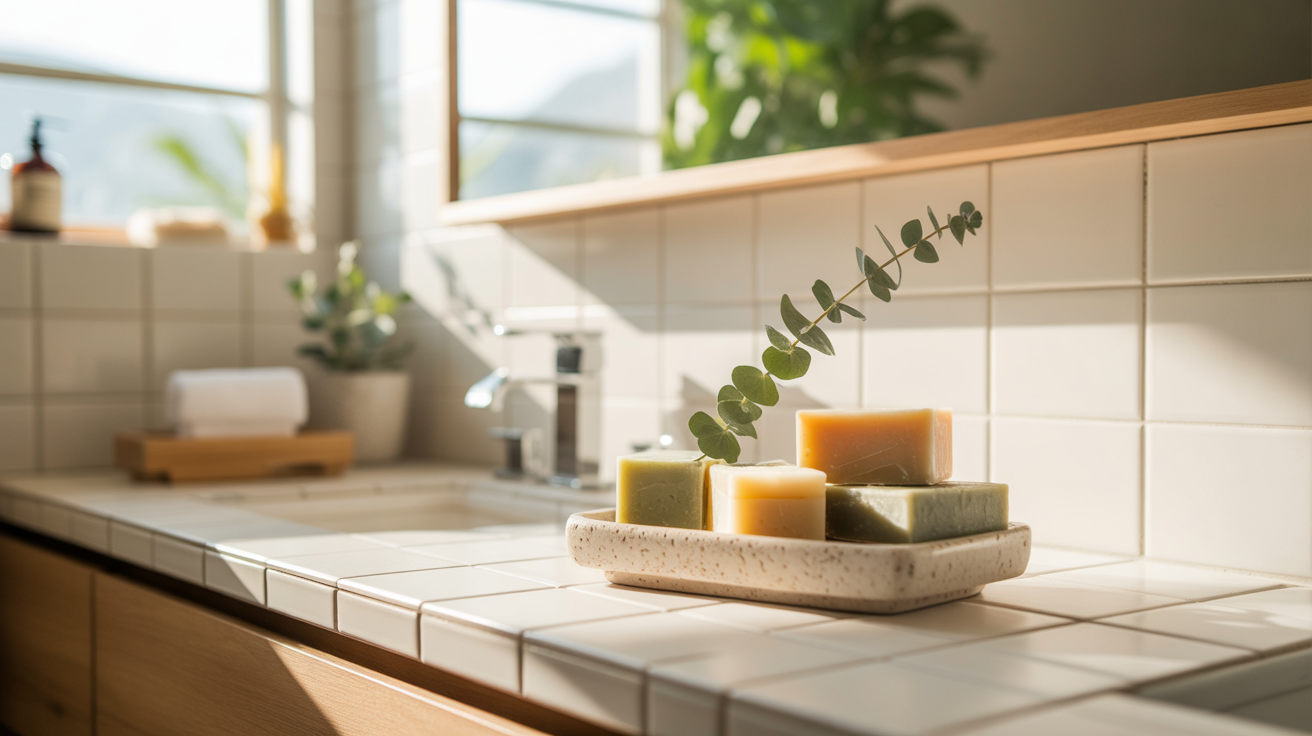
Body wash and shampoo bars revolutionized our shower routine. High-quality bars last 3-4 times longer than liquid equivalents, come with zero packaging, and cost roughly half as much per use. The transition period took about a week as our hair adjusted, but now our hair is healthier and more manageable than it’s been in years.
Face masks and scrubs use simple kitchen ingredients – oatmeal, honey, coffee grounds – that are more effective and gentler than expensive commercial products. A monthly face care routine that used to cost $25-30 in purchased products now costs less than $5 in basic ingredients.
The secret to DIY success is starting with one product, perfecting the recipe, and then gradually expanding. Trying to replace everything at once leads to overwhelm and subpar results. Focus on the products you use most frequently and where you can achieve the biggest cost savings first.
Smart Swaps That Eliminate Disposables
Replacing disposable bathroom items with reusable alternatives created the most immediate and visible impact on our waste reduction. These swaps also delivered the fastest financial returns, with most items paying for themselves within 2-3 months of use.
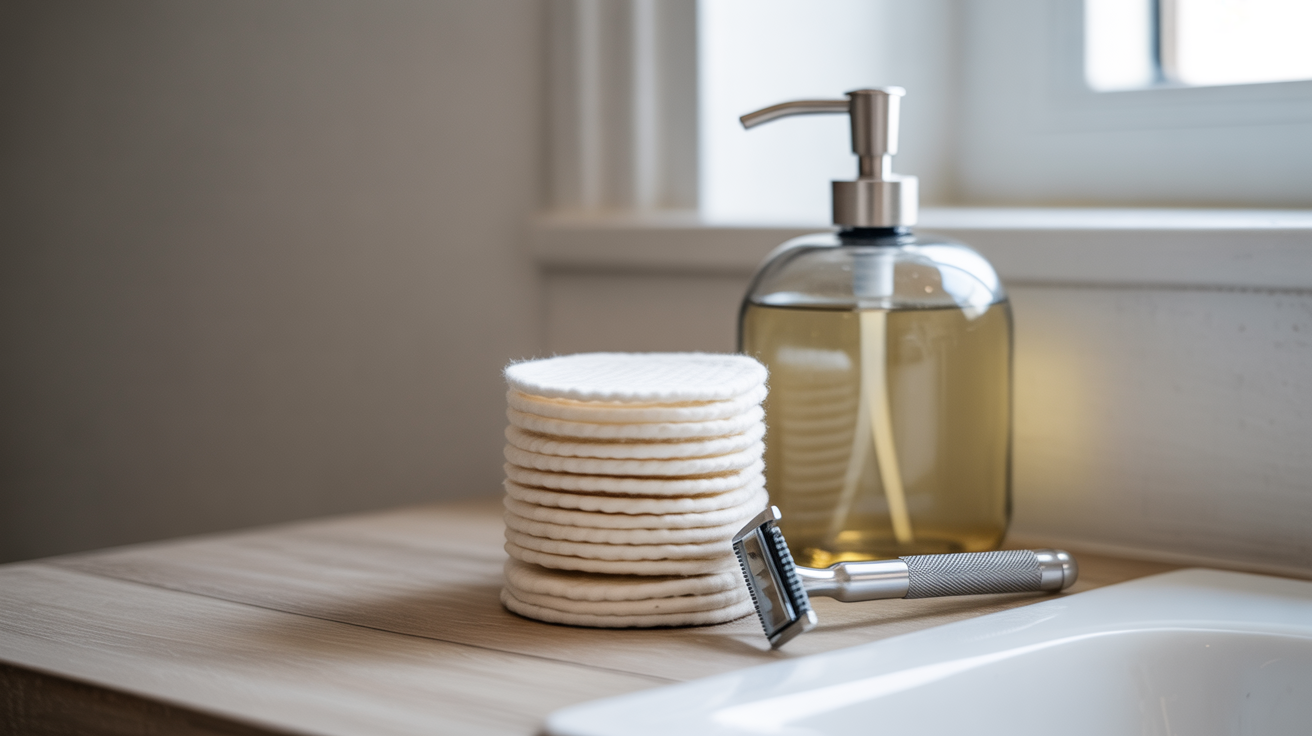
Cotton pads and cotton balls were costing us $8-12 monthly and creating a significant portion of our bathroom waste. Switching to reusable bamboo cotton rounds eliminated this entire category of waste and expense. The initial $15 investment has now lasted over a year with no signs of wear.
Disposable razors created both waste and ongoing expense. A quality safety razor with replaceable blades reduced our shaving costs from $25 monthly to about $3 while providing a superior shave. The environmental impact difference is dramatic – one metal blade every few weeks versus multiple plastic razors monthly.
Menstrual products represented a huge opportunity for both waste reduction and cost savings. Switching to menstrual cups and reusable pads eliminated a monthly expense of $15-20 while reducing bathroom waste significantly. The learning curve was minimal, and the long-term financial savings are substantial.
Toilet paper was our biggest challenge, but we found a middle-ground solution using bamboo toilet paper in bulk that’s both more sustainable and more economical than conventional alternatives. Buying in larger quantities reduced per-unit costs while the bamboo source has a much lower environmental impact.
Makeup removal switched from disposable wipes to reusable microfiber cloths that work with just water. This change alone eliminated $10-15 in monthly wipe purchases while providing gentler, more effective makeup removal. The cloths wash easily with regular laundry and have lasted over a year.
Buying Strategies That Maximize Value and Minimize Waste
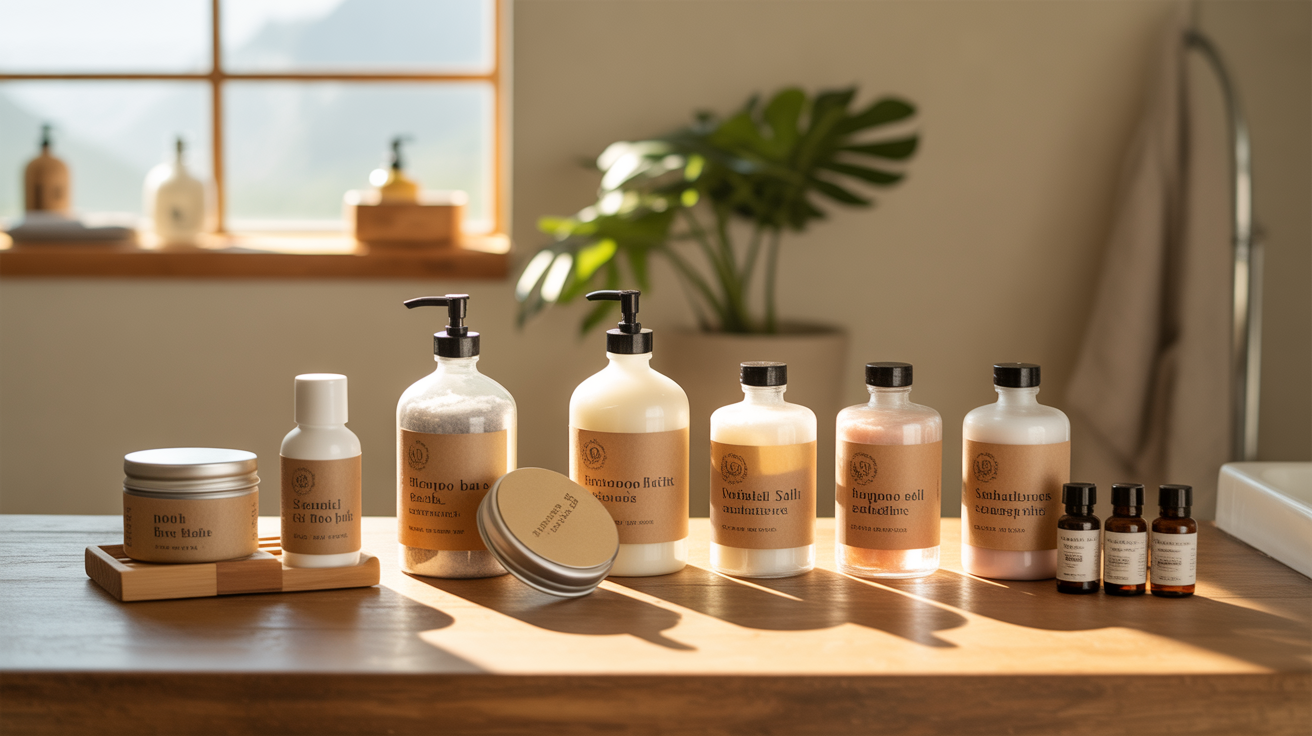
Strategic purchasing decisions have been crucial for maintaining our zero-waste bathroom while keeping costs low. The key is buying better products less frequently rather than constantly replenishing disposable alternatives.
Bulk buying became essential for items we use consistently. Larger containers of quality products like shampoo bars, essential oils, and basic ingredients offer much better per-unit pricing while reducing packaging waste. A quality essential oil starter set provides ingredients for multiple DIY products and lasts for months.
Quality over quantity transformed our approach to bathroom tools and accessories. Instead of cheap plastic items that break and need constant replacement, we invested in durable alternatives that last for years. Higher upfront costs are offset by elimination of replacement expenses and much better performance.
Local sourcing reduced both costs and packaging for several product categories. Farmers’ markets and local soap makers often offer package-free products at competitive prices. Supporting local businesses created relationships that led to bulk discounts and custom products tailored to our preferences.
Seasonal purchasing helped with budgeting and ensured we never ran out of essentials. Buying year supplies of items like bar soap, essential oils, and basic ingredients during sales periods reduced average costs while eliminating frequent shopping trips.
The most important purchasing principle was avoiding “zero-waste” products that were just expensive versions of simple alternatives. Many specialty zero-waste items cost 3-4 times more than basic alternatives that work just as well. Focus on function and sustainability rather than trendy packaging and marketing.
Organization Systems That Make Zero-Waste Sustainable
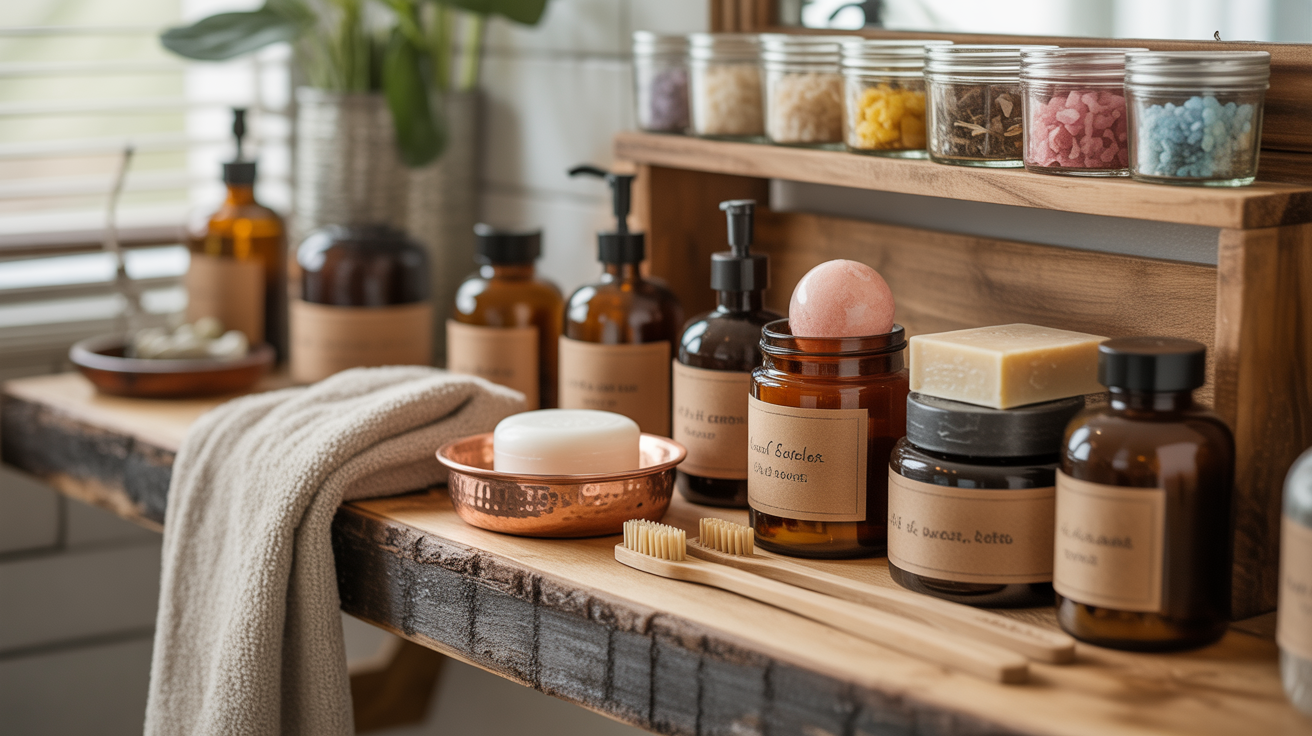
Creating an organized, efficient bathroom system was essential for making zero-waste practices sustainable long-term. Without good organization, even the best intentions quickly devolve into chaos and abandoned routines.
Storage solutions needed to accommodate different types of products – liquids, powders, bars, and tools – while keeping everything accessible and clearly labeled. Glass jars and containers replaced plastic storage, providing airtight storage that preserves product quality while looking cleaner and more organized.
Labeling became crucial as we shifted to more homemade and bulk products. Clear, waterproof labels prevent confusion and help family members maintain the system independently. Include basic ingredients and usage instructions on labels to eliminate guesswork.
Rotation systems ensure products get used before expiring and help maintain inventory levels. We use a simple “first in, first out” approach and mark containers with creation dates for DIY products. This system eliminated waste from forgotten or expired products.
Cleaning routines adapted to accommodate reusable items that need regular washing. We established simple systems for cleaning cotton rounds, microfiber cloths, and other reusable items as part of regular laundry routines. Proper care extends product life and maintains hygiene standards.
Family involvement was essential for long-term success. Everyone needed to understand the new systems and feel ownership over the changes. We created simple instruction guides for DIY products and established clear responsibilities for maintaining supplies and cleanliness.
The Numbers: Real Costs and Surprising Benefits
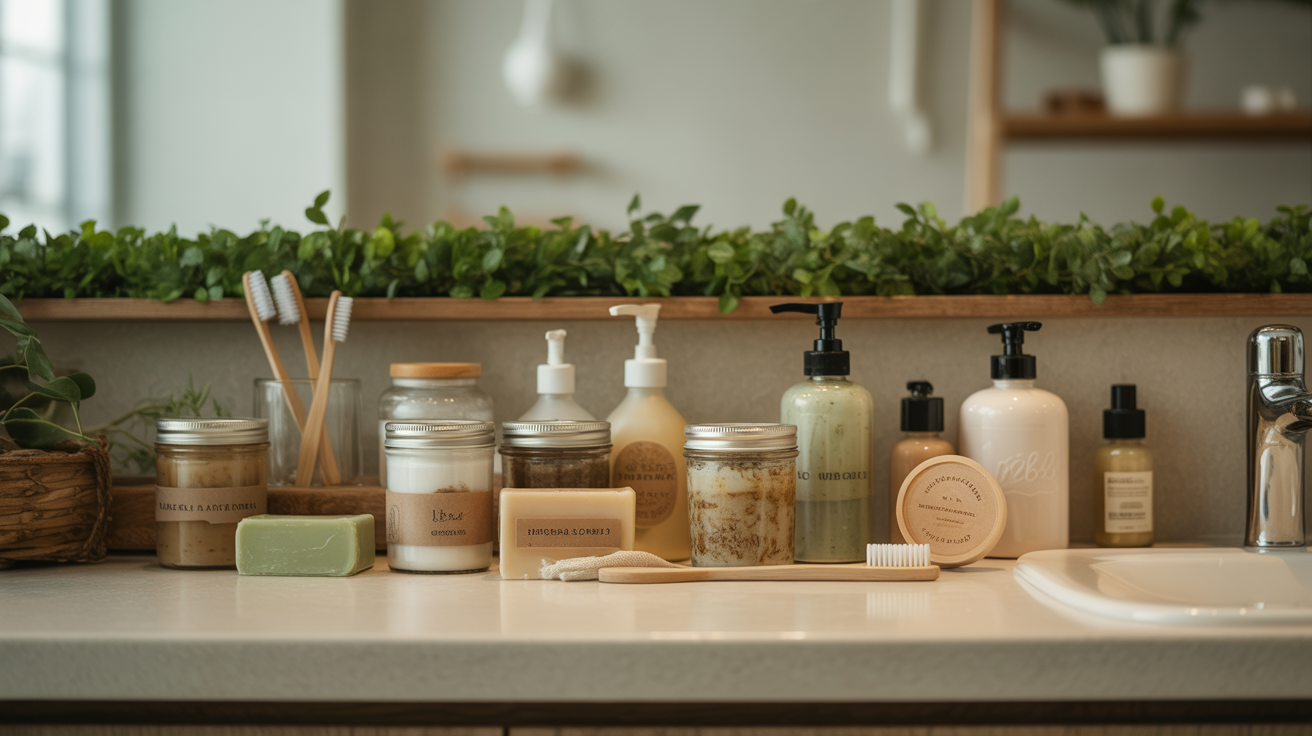
After one year of zero-waste bathroom practices, the financial and environmental results have exceeded my most optimistic projections. But beyond the numbers, unexpected benefits have improved our daily routines and overall quality of life.
Financial savings totaled $247 in year one – a 71% reduction from our previous annual bathroom spending. The savings came from eliminated disposable purchases ($156), reduced frequency of product purchases ($67), and lower per-unit costs through bulk buying and DIY alternatives ($24). These savings continue to compound as reusable items last for multiple years.
Waste reduction was equally dramatic. Our bathroom trash decreased from approximately 2.5 pounds monthly to less than 0.25 pounds – a 90% reduction. Most remaining waste consists of occasional packaging from bulk purchases and items that haven’t yet found zero-waste alternatives.
Time savings surprised me most. Fewer shopping trips, simplified product routines, and reduced clutter meant less time spent on bathroom-related tasks overall. The initial investment in learning and setup was offset within three months by ongoing time savings.
Health improvements came from reduced exposure to chemicals in commercial products and better ingredient control in DIY alternatives. Skin and hair health improved noticeably, and sensitivity reactions that occasionally occurred with commercial products completely disappeared.
The psychological benefits included reduced decision fatigue from fewer products, pride in environmental impact reduction, and satisfaction from mastering useful DIY skills. Our bathroom feels calmer and more organized, which positively impacts our daily routines.
Most importantly, the changes have proven sustainable and even enjoyable. Family members actively participate in maintaining the system, and we continue to discover new improvements and optimizations. What started as a money-saving experiment has become a permanent lifestyle improvement that benefits our budget, health, and environmental impact simultaneously.






Leave a Reply