

Sustainable living is not just a trend, but an urgent necessity in the context of climate change and environmental degradation. Adopting an eco-friendly lifestyle may seem intimidating at first, but with small and consistent steps, each of us can contribute to protecting the planet.
This practical guide will show you how to reduce your carbon footprint, minimize waste, and make more responsible choices in daily life. From circular economy to renewable energy, we explore all aspects of sustainable living.
You’ll discover that living sustainably doesn’t mean sacrifice, but rather a more conscious and efficient approach to resources, which can also bring significant economic benefits.
Renewable Energy and Home Efficiency

Renewable energy technologies have become increasingly accessible and cost-effective for residential use. Solar panels, wind systems, and energy storage solutions offer pathways to energy independence while reducing environmental impact.
Home energy efficiency improvements, from insulation upgrades to smart thermostats, can significantly reduce energy consumption and utility costs. These investments often pay for themselves through long-term savings.
Combining renewable energy with energy efficiency creates a comprehensive approach to sustainable living. Government incentives and financing options make these upgrades more accessible to homeowners.
Waste Reduction and Circular Economy Practices

The circular economy model emphasizes keeping materials in use for as long as possible, minimizing waste and environmental impact. This approach transforms how we think about consumption and disposal patterns.
Practical waste reduction strategies include composting organic materials, choosing reusable products, and supporting businesses with sustainable packaging. These actions contribute to broader environmental conservation efforts.
Community-level initiatives like repair cafes, tool libraries, and sharing networks amplify individual efforts. Participating in these programs builds social connections while advancing sustainability goals.
Sustainable Transportation and Mobility
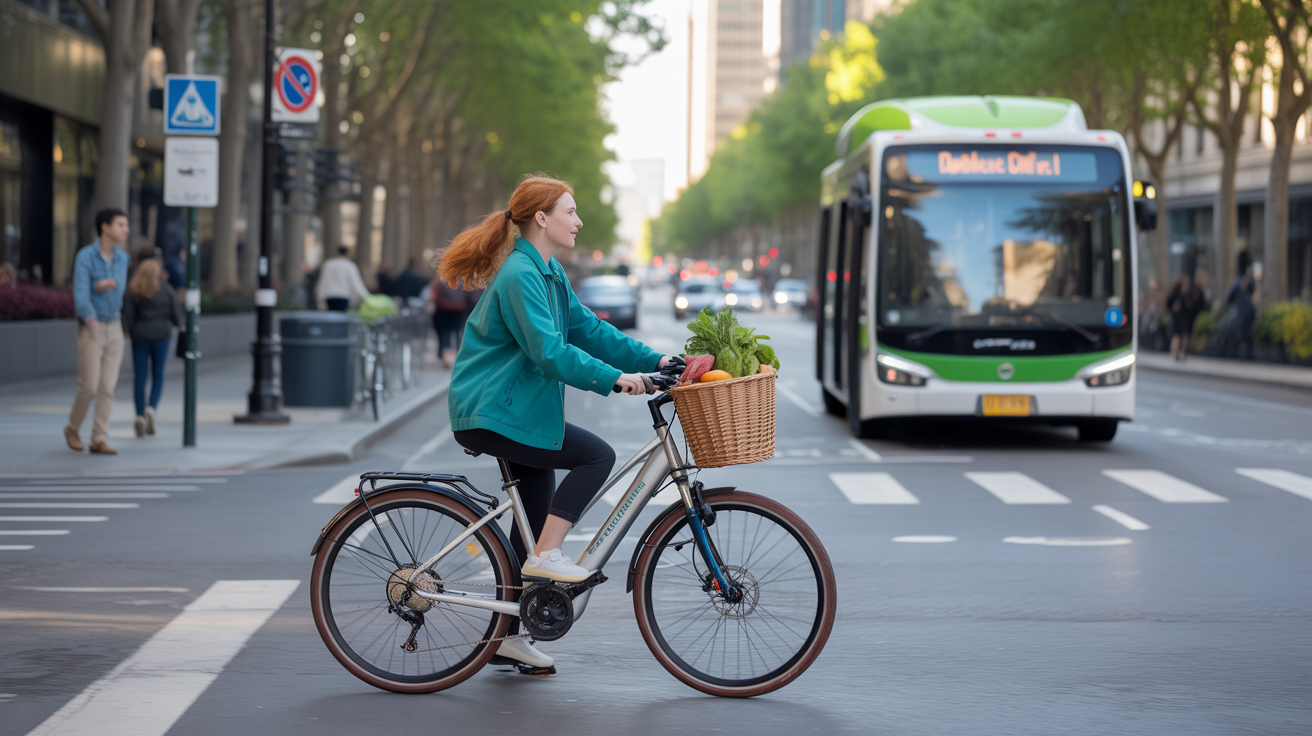
Transportation choices significantly impact both personal carbon footprints and urban air quality. Electric vehicles, public transit, and active transportation offer sustainable mobility solutions for different needs and circumstances.
Urban planning increasingly emphasizes walkable neighborhoods and cycling infrastructure, making sustainable transportation more convenient and safe. These developments support both environmental and public health goals.
Combining different transportation modes based on trip purpose optimizes both sustainability and convenience. This flexible approach adapts to changing needs while minimizing environmental impact.
Conclusion

In conclusion, the field of sustainable living offers extraordinary opportunities for those willing to embrace innovation and adapt to rapid changes in the modern world. Implementing these strategies and technologies can fundamentally transform how we approach daily challenges.
The key to success lies in continuous education, responsible experimentation, and adopting an open mindset towards innovation. By maintaining this proactive attitude, we can fully benefit from the advantages that development in this field offers.
We encourage you to start implementing these concepts step by step, monitoring results and adapting your strategy based on accumulated experiences. Long-term success comes through perseverance and continuous improvement.





Leave a Reply