

I never thought a few pots of basil and thyme on my kitchen windowsill would completely transform how I cook. It started almost by accident — a friend gave me a small rosemary plant as a housewarming gift, and instead of letting it die like every other plant I’d owned, I stuck it on the ledge above my sink and forgot about it. Two weeks later, it was thriving. That tiny success sparked something in me, and before I knew it, I had a whole row of herbs growing in mismatched pots, soaking up the morning sun.
What surprised me most wasn’t how easy it turned out to be — it was how dramatically my cooking changed. Dishes I’d been making for years suddenly tasted different, brighter, more alive. I stopped reaching for dried spice jars and started snipping fresh leaves straight into the pan. Recipes I thought I’d perfected revealed entirely new dimensions. If you’ve ever considered growing your own herbs indoors, I want to walk you through exactly how I did it and share the recipes that were never the same again.
Fair warning: once you taste pasta sauce made with basil you picked thirty seconds ago, there’s no going back to the store-bought stuff.
Starting Small: How I Set Up My First Windowsill Herb Garden

I’ll be honest — my first attempt was messy and unplanned. I grabbed a couple of random pots from a discount store, filled them with garden soil from outside, and shoved some basil seeds in there hoping for the best. The seeds sprouted, but the soil compacted, drainage was terrible, and half the seedlings rotted within a week. That failure taught me something important: indoor herb gardening isn’t hard, but it does require a little bit of intention.
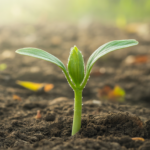
My second attempt went much better. I picked up an indoor herb starter kit that came with proper seed pods, a small tray, and growing medium designed for containers. The difference was night and day. Within ten days, I had tiny green shoots pushing up through the surface, and within a month, I had enough basil to actually use in cooking.
The key lessons I learned early on were straightforward:
- Light is everything. My south-facing kitchen window gets about six hours of direct sunlight, which turned out to be perfect for most herbs. If your window gets less than that, you might need supplemental lighting.
- Drainage matters more than pot size. Herbs hate sitting in waterlogged soil. Every pot needs a hole in the bottom, full stop.
- Start with forgiving herbs. Basil, mint, chives, and parsley are nearly indestructible indoors. Save the fussier ones like cilantro or dill for later.
- Don’t overwater. I killed more herbs with kindness than neglect. Sticking my finger an inch into the soil became my daily check — if it felt damp, I left it alone.
I also learned that terracotta planters are ideal for herbs because the clay is porous and wicks away excess moisture. They’re not fancy, but they work beautifully. I arranged five of them along my windowsill — basil, rosemary, thyme, mint, and chives — and that lineup became the foundation of everything that followed.
Within two months, my windowsill looked like a miniature garden, and I was reaching for those plants every single time I cooked. The whole setup cost me less than what I’d been spending on those sad little plastic clamshells of herbs from the grocery store that always wilted in the fridge after three days.
The Herbs That Earned Their Spot (and the Ones That Didn’t)

Not every herb thrives on a windowsill, and I learned that the hard way. Over the course of about a year, I tried growing over a dozen different varieties indoors, and the results were a mixed bag. Some herbs practically grew themselves. Others seemed to resent being confined to a pot and staged a slow, dramatic protest by dropping leaves and turning yellow.
Basil was the undisputed champion. Sweet Genovese basil, specifically, grew like a weed once it got established. I learned to pinch off the top leaves regularly, which encouraged the plant to bush out sideways instead of shooting up tall and leggy. One plant gave me enough basil for weeks of cooking. When it eventually flowered and went bitter, I just started a new one from seed — the cycle took about six weeks from planting to harvest.
Mint was almost too successful. I made the mistake of planting it in the same container as my basil, and it tried to take over like an invading army. Mint needs its own pot, isolated from everything else. But the upside is that it’s virtually unkillable. I neglected mine for an entire vacation, came back expecting the worst, and it was somehow even bushier than when I left.
Rosemary was steady and reliable but slow. It didn’t grow fast enough to harvest heavily, so I used it sparingly — a sprig here, a sprig there. It liked drier conditions than the other herbs, so I watered it about half as often. The fragrance alone made it worth keeping around.
Chives surprised me with how useful they became. I started adding them to everything — scrambled eggs, baked potatoes, cream cheese, salads. They regrew quickly after cutting and never seemed to struggle with the indoor conditions.
On the failure side, cilantro bolted almost immediately every time I tried. It would shoot up a tall flower stalk within weeks and the leaves would turn feathery and lose their flavor. I eventually gave up on indoor cilantro and just buy it fresh when I need it. Dill had a similar problem — it wanted more root depth than a windowsill pot could offer, and it grew tall and floppy without enough light.
During winter, when the daylight hours dropped significantly, I added a small LED grow light clipped to the window frame. It ran for about four extra hours each evening, and it made a noticeable difference in keeping the basil and chives productive through the darker months. That little investment kept my windowsill garden going year-round.
The Pasta Sauce That Started Everything

The recipe that made me realize fresh herbs were a game changer was my basic weeknight pasta sauce. I’d been making the same simple tomato sauce for years — canned San Marzano tomatoes, garlic, olive oil, a pinch of sugar, and a teaspoon of dried basil from a jar. It was fine. Reliable. Nothing to write home about.
One evening, on a whim, I tore off a handful of fresh basil leaves from my windowsill plant and stirred them into the sauce during the last two minutes of cooking. The smell that hit me was extraordinary — sweet, peppery, almost floral. When I tasted the sauce, it was like eating a completely different dish. The basil was bright and aromatic in a way the dried stuff never even hinted at. My partner, who had eaten this same sauce dozens of times without comment, actually stopped mid-bite and asked what I’d done differently.
That moment changed my entire approach to this recipe. Here’s how I make it now:
- Warm olive oil in a deep pan over medium heat and cook four cloves of thinly sliced garlic until just golden.
- Add a 28-ounce can of crushed San Marzano tomatoes, a pinch of salt, a pinch of red pepper flakes, and half a teaspoon of sugar.
- Simmer for twenty minutes, stirring occasionally, until the sauce thickens slightly.
- Remove from heat and stir in a generous handful of fresh basil leaves, torn by hand.
- Let it sit for two minutes with the lid on so the basil perfumes the sauce without cooking out.
The technique of adding fresh herbs at the very end — off the heat or nearly so — became a principle I applied to almost everything. Heat destroys the volatile oils that give fresh herbs their aroma, so you want to preserve those by adding them late. It’s a small change in timing that makes an enormous difference in flavor.
I also started making a quick fresh pesto whenever the basil plants got overgrown. Two cups of basil leaves, a third cup of pine nuts, two cloves of garlic, half a cup of parmesan, and enough olive oil to bring it together. Using herb scissors to do a rough chop before throwing everything in the blender made the process faster and gave me more control over the texture. That pesto, tossed with hot pasta and a splash of the cooking water, became one of my most-requested dinners.
Breakfast and Brunch: Where Chives and Mint Shine

I used to think of herbs as a dinner ingredient — something you add to sauces, roasts, and stews. Growing them on my windowsill changed that perception completely, mainly because the herbs were right there staring at me while I made breakfast. It felt natural to start snipping chives over my morning eggs, and once I did, I couldn’t believe I’d spent years eating plain scrambled eggs like some kind of barbarian.
My go-to weekend breakfast became what I call “windowsill eggs.” I scramble three eggs low and slow in butter, pull the pan off the heat while they’re still slightly underdone, and fold in a tablespoon of snipped fresh chives and a few torn basil leaves. The residual heat finishes the eggs while the herbs wilt just enough to release their flavor. Served on toast with flaky salt and black pepper, it’s one of the simplest and most satisfying things I make.
Mint was the real breakfast revelation, though. I’d always associated mint with desserts and cocktails, but it turns out to be incredible in savory morning dishes. I started adding torn mint leaves to:
- Yogurt bowls with granola, honey, and sliced fruit — the mint adds a cool brightness that wakes everything up.
- Smoothies — just four or five leaves blended with banana, spinach, and almond milk creates a freshness you can’t get from any other ingredient.
- Fruit salads — mint with watermelon and feta became my go-to summer brunch side dish.
I also discovered that fresh mint tea is worlds apart from mint tea bags. I steep a small handful of fresh mint leaves in boiling water for five minutes, strain, and add a little honey. It’s cleaner, more fragrant, and genuinely soothing in a way that the processed version never managed. I started drinking it every morning alongside my coffee, which sounds excessive, but it became a ritual I looked forward to.
The best thing about having herbs within arm’s reach isn’t just the flavor — it’s how they encourage you to experiment. When fresh basil is sitting right there on your counter, you start putting it in things you never would have considered. Some experiments fail, but the ones that work become permanent additions to your repertoire.
Brunch hosting got easier, too. A simple frittata loaded with fresh herbs looks and tastes far more impressive than the effort involved. I whisk eggs with cream, pour them into a hot oven-safe skillet, scatter chives, thyme, and torn basil across the top, and bake at 375 degrees for about fifteen minutes. Guests always assume I spent an hour on it. I never correct them.
Dinner Recipes That Were Never the Same Again

Once I had a reliable rotation of fresh herbs growing, my dinner repertoire underwent a quiet revolution. It wasn’t that I started cooking entirely new dishes — it was that old favorites became noticeably better. The herbs added layers of flavor that I didn’t even realize were missing.
Roast chicken was the most dramatic transformation. I’d always seasoned my roast chicken with salt, pepper, and garlic powder. Perfectly acceptable. But one Sunday, I tucked fresh rosemary sprigs and thyme branches under the skin before roasting, and the result was so much more aromatic and complex that my old version felt flat by comparison. The herbs perfume the meat from the inside as it cooks, and the kitchen smells absolutely incredible for hours afterward. I’ve never gone back to the plain version.
Stir-fries became more interesting with a handful of fresh basil (Thai basil ideally, but sweet basil works) tossed in during the last thirty seconds. The leaves wilt into the sauce and add a sweet, slightly anise-like note that rounds out the soy and ginger. This trick alone elevated my quick weeknight stir-fries from forgettable to something I actually craved.
Soups and stews benefited from a two-stage herb approach I developed. I’d add hardy herbs like rosemary and thyme at the beginning of cooking, letting them simmer and infuse into the broth. Then, right before serving, I’d stir in delicate fresh herbs — basil, chives, or parsley — for brightness. The combination of deep, cooked-in herb flavor and fresh, vibrant top notes made even a basic chicken soup taste restaurant-quality.
One specific recipe I want to share is my herb-crusted salmon:
- Mix finely chopped fresh rosemary, thyme, and chives with breadcrumbs, lemon zest, and a drizzle of olive oil.
- Press this mixture onto the top of salmon fillets.
- Bake at 400 degrees for about twelve minutes until the crust is golden and the fish is just cooked through.
- Squeeze fresh lemon over the top and serve immediately.
This dish takes fifteen minutes from start to finish, and it’s become my go-to when I want to impress someone without spending all evening in the kitchen. The fresh herbs in the crust are what make it special — dried herbs simply don’t deliver the same bright, aromatic punch.
I also started making compound butters with my herbs, which is possibly the highest-reward, lowest-effort kitchen project in existence. Softened butter mixed with minced fresh herbs, a pinch of salt, and a squeeze of lemon, rolled into a log in plastic wrap and chilled. A slice of rosemary-thyme butter melting over a hot steak or a piece of grilled corn is an almost unreasonable amount of deliciousness for the three minutes of work it takes to prepare.
Lessons Learned and What I’d Tell a Beginner

After more than a year of growing herbs on my windowsill, I’ve settled into a rhythm that feels sustainable and rewarding. The garden isn’t perfect — I still lose a basil plant now and then to overwatering or neglect, and my rosemary goes through moody phases where it drops needles for no apparent reason. But the overall experience has been overwhelmingly positive, and it’s changed how I think about cooking in ways I didn’t expect.
If I were starting over from scratch, here’s what I’d do differently and what I’d tell anyone thinking about trying this:
Start with just three herbs. I’d pick basil, chives, and mint. They’re forgiving, fast-growing, and versatile enough to use in almost any meal. Once you have those dialed in, add rosemary and thyme. Trying to grow everything at once leads to overwhelm and neglect.
Invest in decent pots and soil. You don’t need to spend a fortune, but using proper potting mix with perlite for drainage and containers with drainage holes makes an enormous difference. My terracotta pots have been workhorses — they’re inexpensive, breathable, and look charming lined up on the ledge.
Learn the harvest-and-regrowth cycle. Most herbs actually grow better when you harvest them regularly. Pinching basil encourages bushier growth. Cutting chives to the base prompts a fresh flush of new shoots. The more you use your herbs, the more they produce — it’s a beautifully self-reinforcing system.
Growing your own herbs isn’t really about saving money, although you will. It’s about closing the gap between your garden and your plate to almost nothing. That immediacy — snipping something alive and green and dropping it straight into your food — changes your relationship with cooking in a way that’s hard to explain until you experience it.
Don’t be afraid to experiment in the kitchen. Some of my best discoveries came from just grabbing whatever was growing and tossing it into whatever I was making. Mint in a grain bowl. Basil on pizza straight from the oven. Chives stirred into mashed potatoes. Thyme in a salad dressing. Most combinations work, and the ones that don’t aren’t disasters — they’re just learning experiences.
Accept that some plants will die. It’s not a reflection of your abilities. Indoor conditions are inherently challenging — limited light, dry air from heating systems, inconsistent temperatures. Every dead plant teaches you something about what that particular herb needed. My cilantro failures taught me that some herbs simply don’t belong on a windowsill, and that’s fine.
Looking at my kitchen window right now, with its row of green, fragrant plants catching the afternoon light, I feel a quiet sense of satisfaction that goes beyond cooking. There’s something deeply grounding about nurturing living things and then incorporating them into meals you share with people you care about. It connects you to your food in a way that scanning barcodes at the supermarket never will. If you’ve been on the fence about starting your own windowsill herb garden, I’d encourage you to just begin. Grab a pot, some soil, and a packet of basil seeds. In six weeks, you’ll be tearing fresh leaves into your pasta sauce and wondering why you didn’t do this years ago.





Leave a Reply